Show Notes
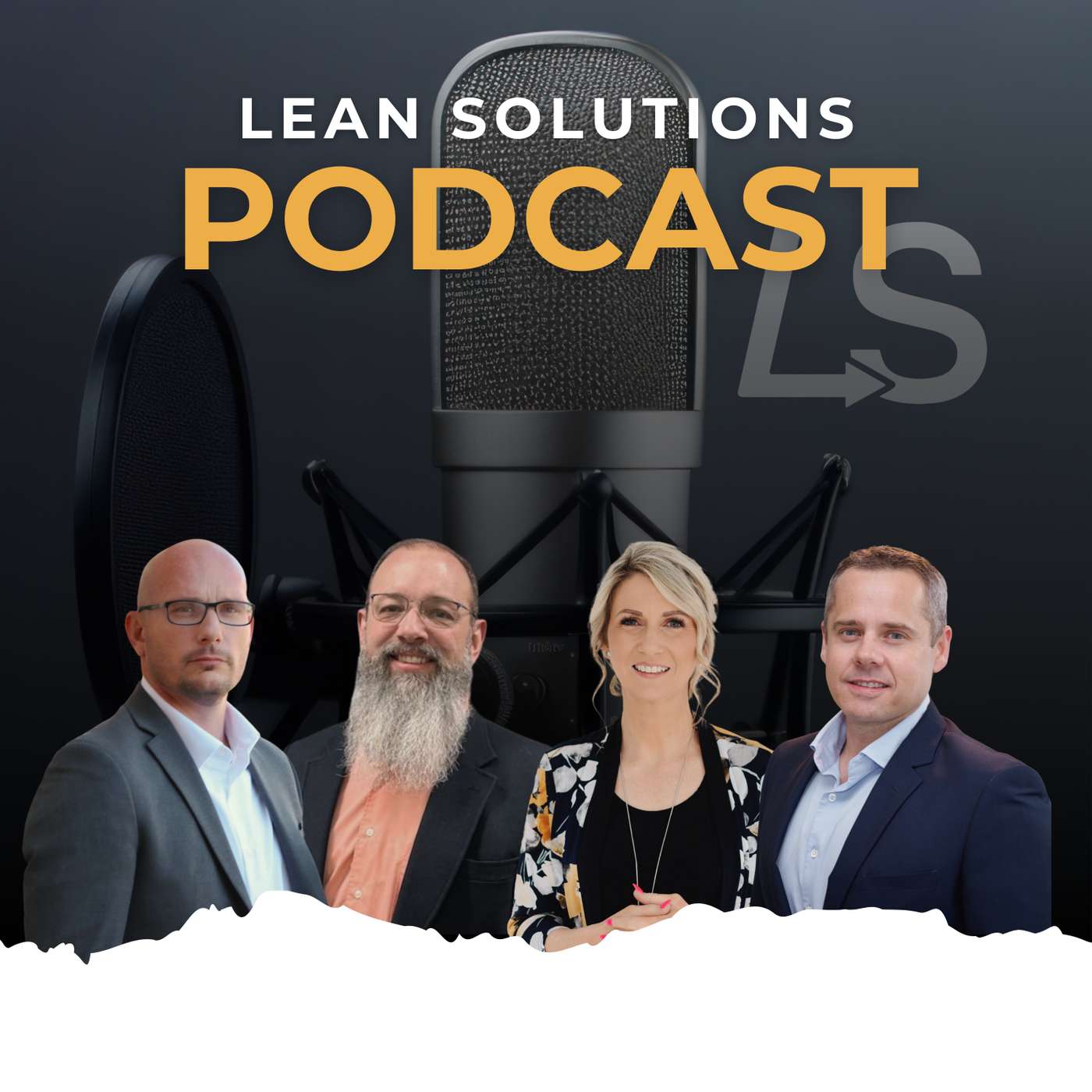
What You’ll Learn: Join the Lean Solutions Podcast hosts as they discuss the importance of reflection and goal-setting for 2026. They shared personal reflections on habits, such as overcooking presentations and non-use of talent, and the significance of being grounded and customer-focused. The team also discussed the eight wastes of lean to identify and improve personal habits. Links: Lean Solutions 2026 Summit Lean Solutions Website Click Here For Catherine McDonald’s LinkedIn Click Here For Andy Olrich’s LinkedIn Click Here For Shayne Daughenbaugh’s LinkedIn Click Here For Patrick Adams’ LinkedIn
More from The Lean Solutions Podcast
What You’ll Learn in This Episode
What You’ll Learn in This Episode: In this episode, Patrick Adams and Catherine McDonald are joined by David Norris to explore why organizations should improve their processes before automating them. They discuss how jumping too quickly into automation or AI can result in organizations simply automating existing waste and complexity. David shares how leaders can understand the current state, identify root causes, involve the people doing the work, and eliminate unnecessary steps before introducing technology. The conversation also explores how to identify good opportunities for automation and build a culture where continuous improvement becomes part of everyday work. Episode 37_otter_ai_transcript Episode 37_otter_ai_transcript Key Takeaways: 1. Don’t automate waste—improve the process before adding technology 2. Understand the current state before designing the future state 3. Involve the people doing the work when identifying problems and improvement opportunities 4. Start small: choose one process, walk it, ask questions, and begin improving Links: https://www.linkedin.com/in/david-norris-17016b146/ https://elevatedmtnsolutions.com/
What You'll Learn in This Episode: In this episode, Patrick Adams and Shayne Daughenbaugh are joined by returning guest Olaf Boettger to explore how continuous improvement and daily management apply beyond traditional operations, including sales, commercial teams, innovation, and product development. They discuss why effective daily management requires the courage to identify problems instead of hiding them, how leaders can create an environment where people feel comfortable sharing bad news, and why curiosity, humility, and consistent leadership behaviors are essential for building a true culture of continuous improvement.