Show Notes
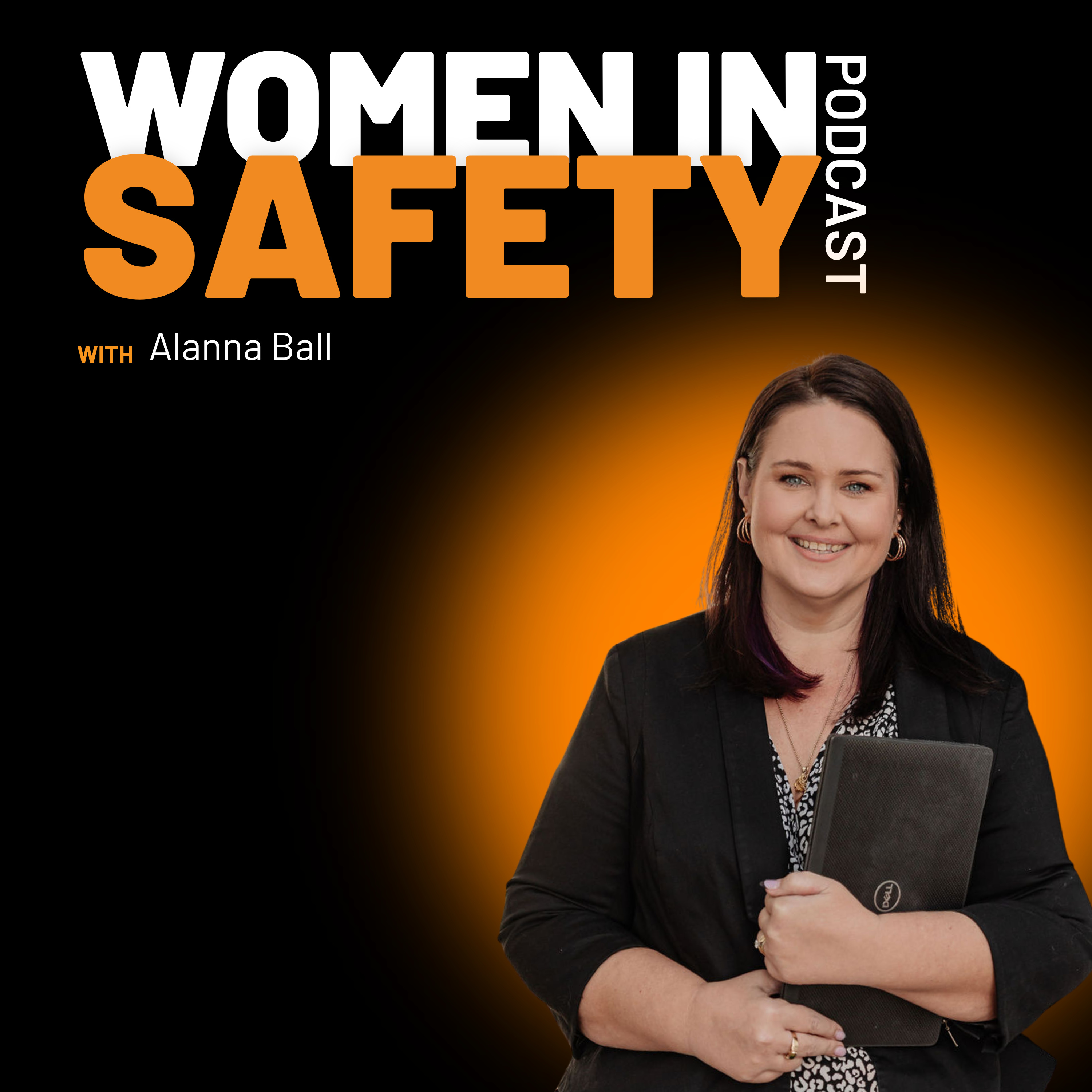
Psychological injuries are complex. They are also manageable when the right people work together. In this episode of the Women in Safety podcast, Alanna Ball brings a panel of experts to the table to unpack how health and safety, HR, line managers, and occupational physicians can support recovery without adding red tape.
They talk about early intervention that starts with a simple check-in, clear communication that reduces fear, and practical steps that keep employees connected while on leave. The panel shows how empowering the right people on the ground, supervisors with the trust of their teams, can change outcomes. Data helps here too, not as a stick, but as insight to fix workplace stressors before they escalate.
You will hear candid advice on claims management, building a supportive workplace culture, and tackling stigma around mental health with facts and care. The message is clear. Effective management of psychological injuries is a collective responsibility, and it starts with listening.
Listen, then tell us one action you will take this month to strengthen collaboration between health and safety, HR, and your occupational physician. Your idea could help another team act sooner. _______________________ Got questions? Connect with us on Instagram - https://www.instagram.com/womeninsafety/ Email us - [email protected] Sign up for the newsletter - https://www.womeninsafety.net/
Share this episode with your network and help us spread the word about the incredible work being done in the health and safety profession! Don’t forget to tag @womeninsafety when you share this episode on your socials so we could continue the conversation.
More from Women in Safety Podcast
Shift Work, Fatigue and Health: Are We Preparing People Properly? Shift work asks a lot of the human body. But are workers given the knowledge and support they need to manage its impact on their health and performance?
Making Safety Training Work for Rural and Remote Agriculture
Is Safety Culture Really Separate From Organisational Culture?
What if the way we talk about wear and tear is actually influencing how people think about their bodies, their work and their risk of injury?