Show Notes
Guest Justyn Backhouse - former police officer, author of Hidden Scars: From Crime Scenes to Crisis, The Price of Service
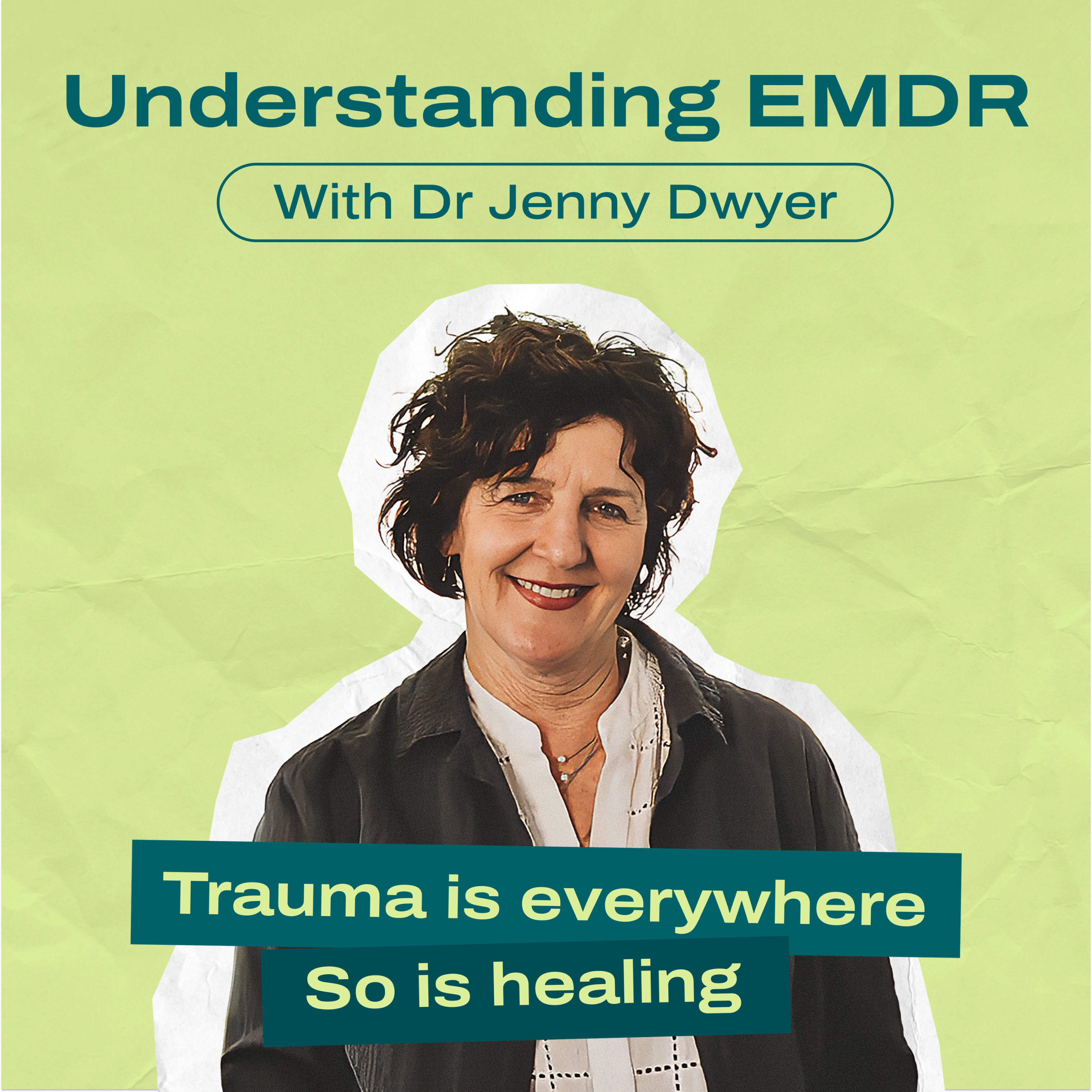
In this episode of Understanding EMDR, Jenny Dwyer speaks with Justyn Backhouse about the achievements of his 25-year policing career, the hidden toll of repeated trauma, and the journey from denial to recovery. Justyn shares how his secure and loving childhood led him into policing, where he found adventure and opportunities; but also traumatic events, cumulative stress, and eventually PTSD.
They discuss the culture of policing, the stigma around mental health, and why early intervention matters. Justyn explains how EMDR became a turning point in his recovery, helping him process years of unprocessed experiences and reduce the intensity of traumatic memories. The conversation also highlights the importance of family support, trusted colleagues, and honest conversations about mental health.
If you’re an EMDR therapist and interested in knowing more about how you can support police officers and other first responders, listen in to the next episode. I’ll be joined by Krystal Hawkins, a mental health social worker and EMDR consultant who has worked for many years with police in NSW, supporting them through their journey of recovery with EMDR.
Key themes in this episode Cumulative trauma and delayed recognition of PTSD in police Shame, stigma, and silence as barriers to healing The role of EMDR in processing disturbing memories Early intervention Family, support networks, and rebuilding life after trauma
Resources
To learn more about Justyn and to follow him on social media, visit his website
EMDR Academy
This podcast is proudly sponsored by EMDR Academy Australia. For information on Dr Jenny Dwyer, training, consultation and resources visit our website and follow us on social media
More from Understanding EMDR
The Unique Trauma of Police Work: Insights from EMDR Therapy With Guest Krystal Hawkins In the challenging world of policing, officers face years of traumatic experiences that can lead to significant mental health challenges. In the previous Episode, former NSW police officer and author, Justyn Backhouse, spoke movingly about his experience of PTSD and the role EMDR has played in his journey of recovery. In this Episode, Krystal Hawkins, an EMDR consultant and mental health social worker, shares what she’s learned as a therapist working extensively with police and other First Responders. She provides insights into the unique trauma experienced by police, how to tailor EMDR to their needs, and the importance of collaboration, early intervention, and systemic support. Keywords: EMDR, police trauma, mental health, early intervention, trauma therapy, PTSD, first responders, neurobiology, trauma processing Upcoming training on EMDR with Police and First Responders If you work with, or would like to feel more confident supporting police officers and other first responders, join Krystal Hawkins for our exclusive half day webinar Understanding EMDR with Police and First Responders on 27 November 2026. Proudly sponsored by EMDR Academy Australia. Registrations and information available at: https://emdracademy.com.au/events/ Episode Resources To access an article Krystal wrote for the National FireFighter Magazine, Summer Edition 2024, pp34-39 use the link below https://www.thenationalfirefighter.com.au/wp-content/uploads/2024/12/TNF-Summer-24-PRINTREADY_compressed.pdf Understanding EMDR podcast is Proudly sponsored by EMDR Academy Australia. Leading providers of EMDR training across Australasia. Specialist training in Early Intervention, Group EMDR, Adaptations for Children and Adolescents and international guests. Online and in-person trainings available. https://emdracademy.com.au Follow us on Social Media LinkedIn: /emdracademyaus Instagram: /emdracademyaus
In the final episode of our Healing versus Justice series, we hear directly from Dr Katie Bird. It was Katie's case, first reported by the ABC, that exposed a serious problem in the Australian legal system: victim-survivors who had received EMDR therapy were being denied justice because of misconceptions about the therapy.
Inspired by the advocacy of Dr Katie Bird, who was denied access to justice after she had EMDR therapy, this 3-part series has explored a critical question - can EMDR therapists support their clients in healing without jeopardising their future access to justice? In this episode, Dr Jenny Dwyer reflects on the nature of trauma, the likelihood of delayed and partial disclosure, and the circumstances that make it possible, even likely, that the legal system and EMDR may intersect for many clients. Drawing on current discourse in the EMDR community, legal context and emerging consensus, she provides some much needed guidance for therapists. While acknowledging the real difficulties in this area, she cautions against therapists becoming unnecessarily intimidated by the legal system; and outlines a set of 'Principles for Practice' that can inform therapy and guide reflection.
This is the second episode in our series exploring the intersection of EMDR with the Justice system. It follows a decision by the Commonwealth DPP to discontinue a case of sexual assault because the complainant had EMDR before making her report to police.
This is the first of 3 episodes where we explore the intersection of EMDR with the Justice system. It follows a decision by the Commonwealth DPP to discontinue a case of sexual assault because the complainant, Dr Katie Bird, had EMDR before making her report to police. This obviously raised many issues for EMDR therapists, but most importantly, for victims/survivors.