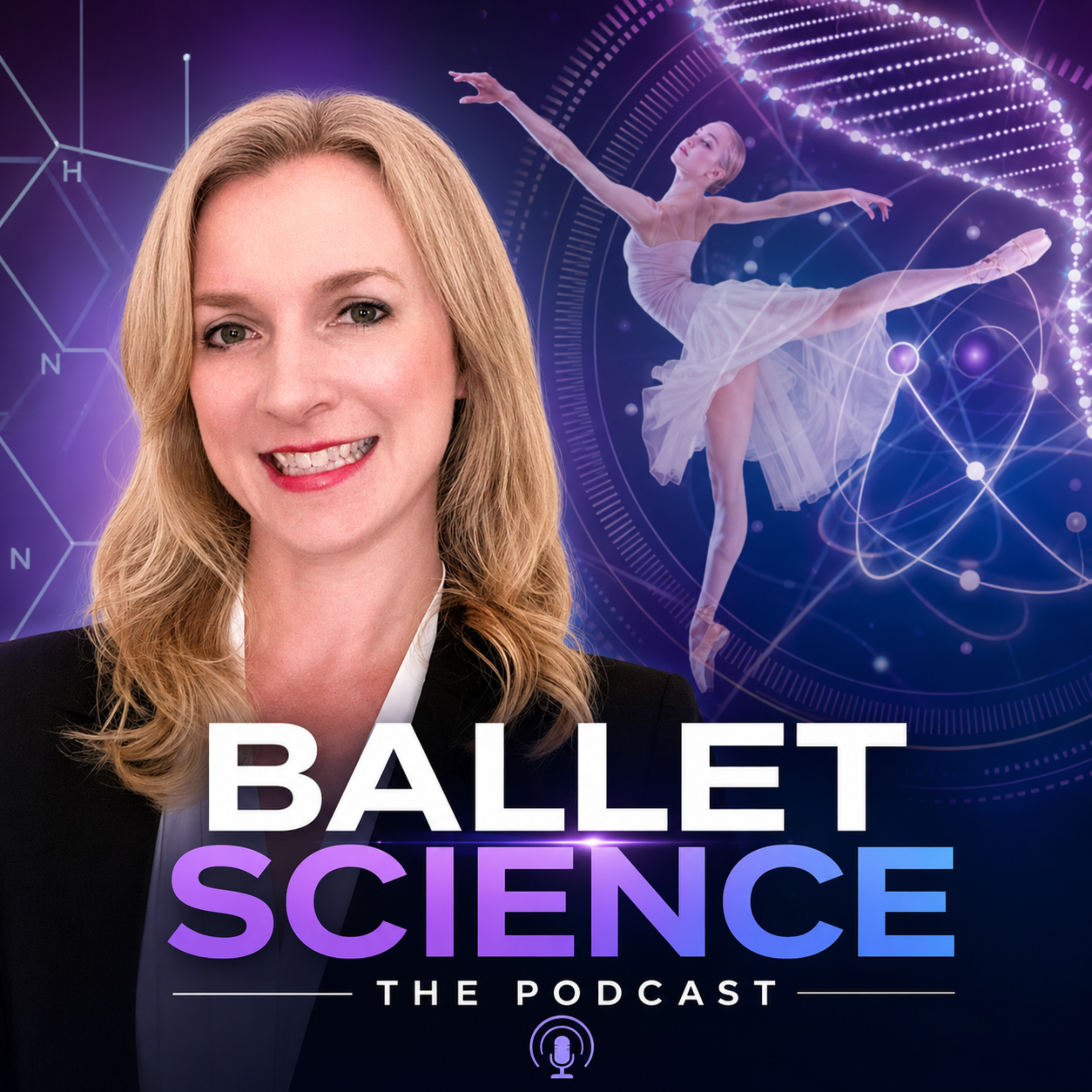
Show Notes
Ballet looks effortless... but if you’ve ever tried it, you know that’s far from the truth. So why is ballet so hard… and why is it harder than it looks? In this video, we break down the science behind ballet technique, including biomechanics, balance, motor control, and strength. From controlling your center of mass to managing a high cognitive load, ballet challenges both your body and your brain in ways most people don’t realize.
You’ll learn: Why ballet is designed to look easy (even when it’s not) The biomechanics of balance and dynamic stability Why your brain feels overwhelmed in ballet class How turnout challenges your natural alignment Why ballet requires strength in the hardest positions The real difference between beginner and professional dancers
Join the Ballet Science E-mail List
Watch This Video On YouTube
Connect With Ballet Science: Website Instagram Facebook X Amazon Storefront E-mail: [email protected]
Hosted by Caroline Simpkins, Ph.D., the Ballet Science podcast brings science into the studio to help dancers of all ages and abilities give their best performances both onstage and off, and reveals how the science of ballet can benefit anyone who moves.
Each week, we explore the intersection of science and ballet... from injury prevention and biomechanics to nutrition, mindset, and everything in between. If you enjoyed this episode, please hit the subscribe button, leave a review, and share it with your friends and dance community. You can also follow Ballet Science on social media and visit our website for additional information.
Filming Equipment Affiliate Links: Microphone Pop Filter Mic Stand Prompter Large Key Light Small Key Light Eve Flare Light
More from Ballet Science
Ballet is physically demanding, but what about the mental side of dance? How can dancers manage performance anxiety, perfectionism, and the psychological challenges of injury and career transitions?
What does it really take to build a successful career as a professional dancer? It's about more than technique, auditions, and getting hired.
What happens when ballet becomes part of cancer recovery? In this episode of the Ballet Science Podcast, I’m joined by Anna Wassman-Cox, a former professional ballet dancer, two-time breast cancer survivor, and founder of Onco-Ballet.
What happens when a cancer diagnosis changes the body you've spent your entire life training?
Pointe training is one of the most demanding aspects of ballet... but are we teaching it in the most effective way?