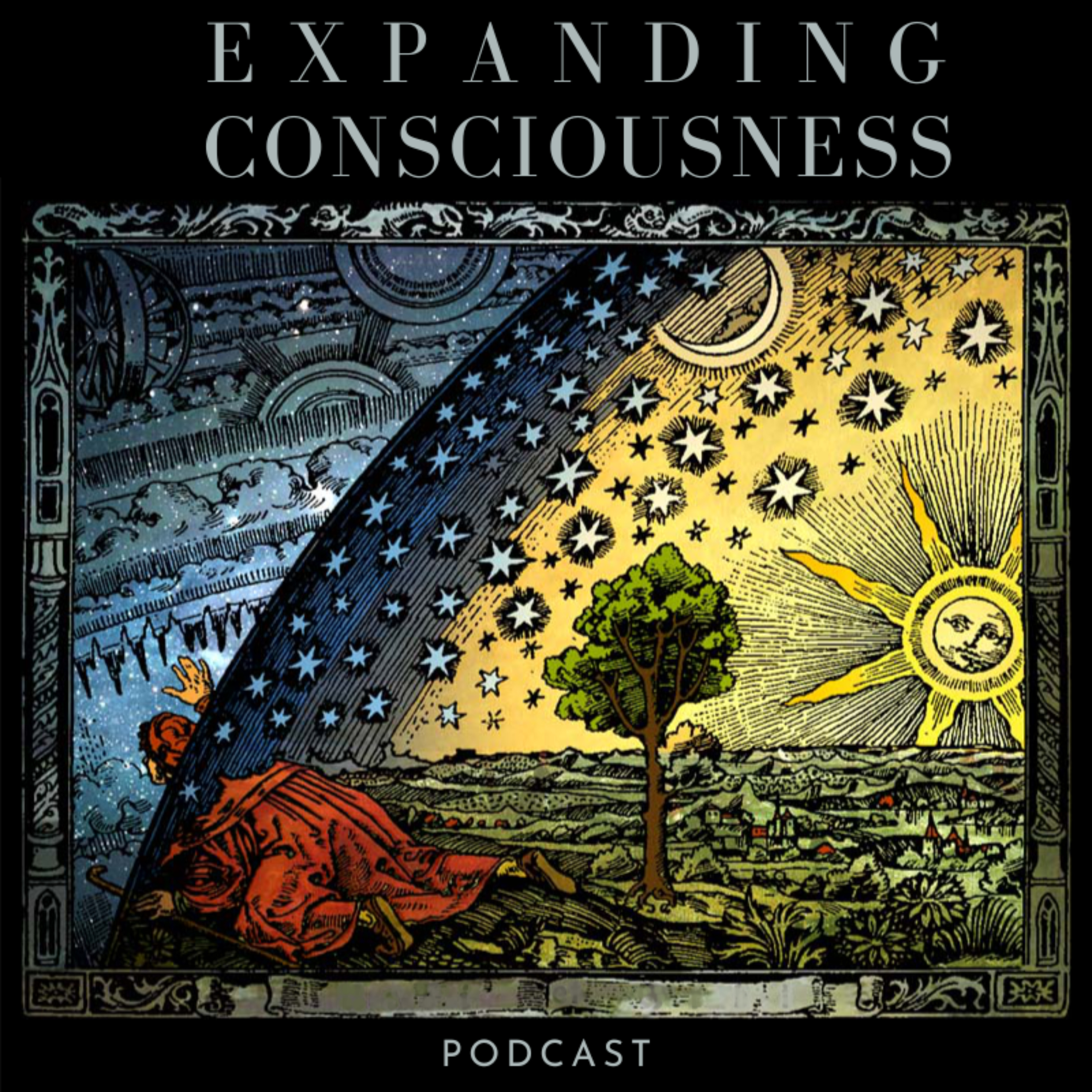
Finding Your Compass: Uncertainty, Trust, and Spiritual Orientation | Ep. 40
Expanding ConsciousnessShow Notes
In this episode, we dive deep into the concept of navigating a spiritual path and finding inner direction. Hosts Michael and Nick share their personal experiences and discuss how we can align our intellectual understanding with lived experience. From the analogy of maps to embracing intuition, they explore the trials, trust, and synchronicities involved in orienting oneself on a personal journey. Discover how embracing uncertainty, intuition, and faith can lead to a more grounded, fulfilling sense of direction and purpose.
00:00 Intro
00:23 Welcome and Introduction to Navigating the Spiritual Path
01:23 Nick’s Journey: From Feeling Lost to Finding Direction
02:23 Michael on Intuition and Recognizing the Path
03:23 Maps vs. Real Terrain: Translating Knowledge to Experience
05:23 Conflicting Maps: Choosing a Path in a Sea of Information
07:23 Developing Your Own Map and Learning to Trust It
09:23 Vagueness and Precision in Spiritual Guides
12:23 Taking a Leap of Faith and Applying Spiritual Maps
13:23 From Maps to Intuition: The Evolution of Inner Guidance
15:23 Insights from Unplanned Intuitive Moments
16:23 Emotions as a Compass: Recognizing the Right Direction
18:23 Synchronicities and Spiritual Chills as Signs of Alignment
20:23 Feeling at Home: Recognizing Alignment in the Present Moment
23:23 Validation through Experience: Internal Confirmation of the Path
24:23 The Hard Path: Embracing Struggles as Part of Growth
26:23 Effort and Surrender: Balancing Action and Letting Go
27:23 Learning through Contrasts: Navigating by Adjusting Approach
28:23 Struggle and Pushing: When to Persist or Let Go
30:23 Practicing Surrender and Reducing Unnecessary Effort
31:23 Recognizing Correspondence: Inner Validation through Feelings
32:23 Avoiding Dogma: Seeing the Map as a Flexible Tool
34:23 Embracing Your Unique, Ever-Evolving Map
37:23 Courage in Taking Illogical Steps Aligned with Intuition
39:23 Logic vs. Intuition: When Analytical Thinking Falls Short
41:23 Balancing Rationality and True Intuition
43:23 Following the Sense of Adventure in Decision-Making
46:23 Aligning with Curiosity: Recognizing the Spark of Intuition
48:23 Embracing Uncertainty and Getting Comfortable with Confusion
50:23 Staying Open: Learning to Tolerate Being Lost Temporarily
52:23 Beyond the Map: Developing a Compass through Intuition
54:23 Enlightenment and Synchronicities: Walking in the Flow
55:23 Enlightenment vs. Psychosis: Similarities and Differences
57:23 The Role of Attachment in Intuition vs. Psychosis
58:23 Ending on Mysticism: The Path of Modern-Day Mystics
More from Expanding Consciousness
Nikolas and Michael get personal about masculinity and the father wound: how boys are quietly taught to suppress emotion, the difference between inheriting a parent's fear and reacting against it, and what it takes to change a pattern carried since childhood. They talk about parenting the way they wish they had been parented, loving a child for who they are rather than what they do, and the hard question of whether a relational wound can be completed without the parent. It ends on blame, grief, and the good memories worth holding onto.
Nikolas and Michael turn the lens on themselves and the podcast itself: the quiet fear of saying the wrong thing, where self-censorship comes from, and what honest conversation actually costs. They trace their path from software engineering into psychology, move through charged territory like COVID and polarization, and get into the strange discomfort of hearing your own voice. Nikolas introduces the "true mirror," and they land on podcasting as a kind of shadow work and a practice in staying present.
Michael brings his first experience of Hakomi, a gentle, mindfulness-based somatic therapy, and the two of them unpack what actually happens when the body starts to unwind on its own. They get into following impulses instead of forcing them, why a guided container helps, the discipline of allowing rather than controlling, and how exaggerating a tension can be the thing that finally releases it. Along the way: repression and chronic pain, fascia and non-directive movement, and where Hakomi sits next to TRE.
Megan's Website: https://unitybreathwork.com/
You can do years of inner work, but if your nervous system is still organized around threat, the body keeps paying the price through stress, inflammation, and chronic pain. In this episode, trauma therapist Shari B. Kaplan (LCSW) joins Nikolas and Michael to explore how trauma lives in the body, why the nervous system holds the key to lasting healing, and what it really takes to move from surviving to thriving.