Show Notes
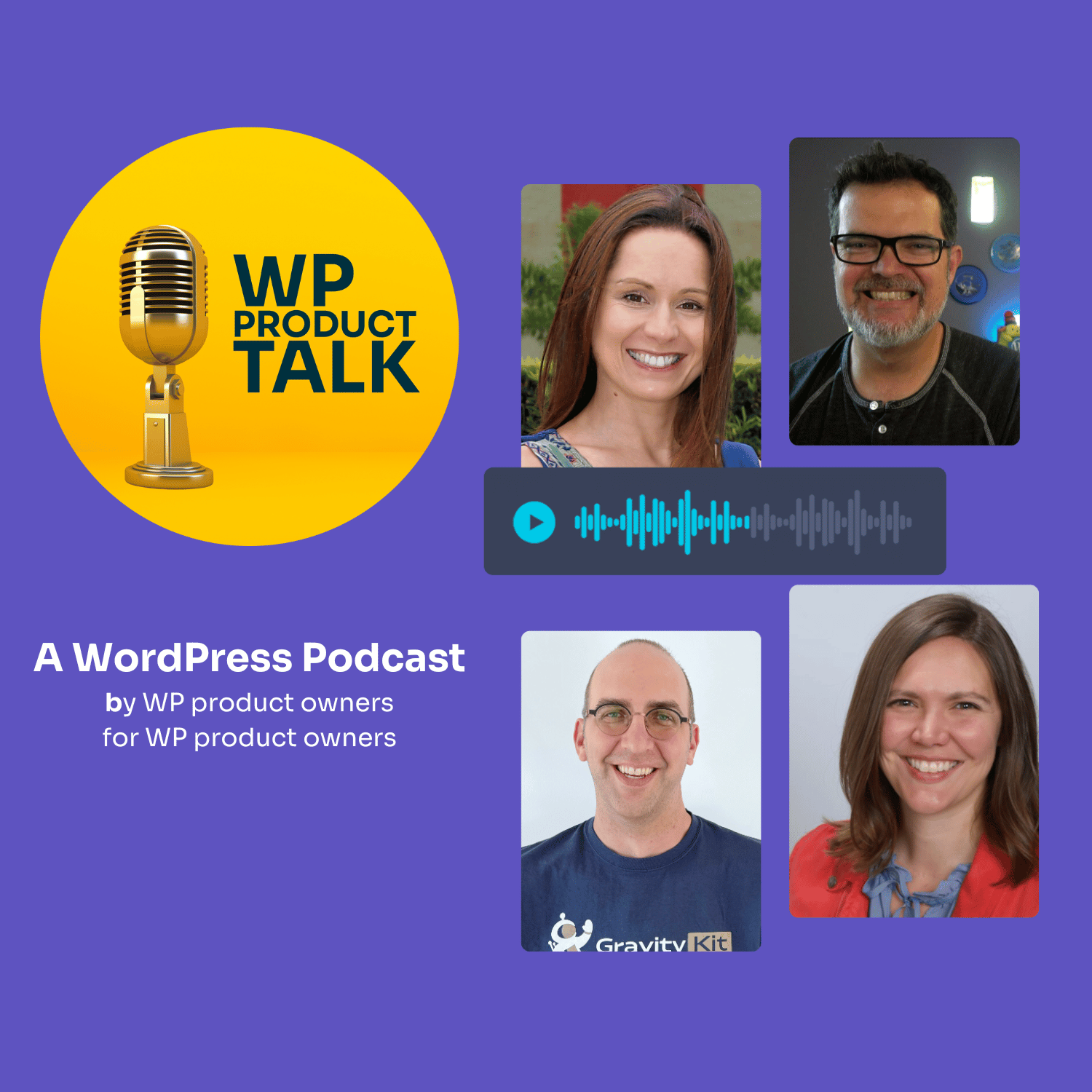
It’s that time of year again—Black Friday and Cyber Monday are almost here, and WordPress product owners are gearing up for their biggest sales season. Join us for Black Friday Strategies for WordPress Products, a special episode where our co-hosts share proven tactics, lessons learned, and insider advice for running high-performing holiday promotions.
We’ll cover everything from pricing psychology to partnership campaigns, so you can make the most of your Cyber Monday WordPress plugins strategy.
🎯 Key Takeaways
🧭 1. Black Friday Is About Meeting Customer Expectations — Not Just Discounts
If there’s one drum the whole panel kept beating, it’s this: you don’t have to love Black Friday, but you can’t ignore it.
Zack Katz (GravityKit) admitted he used to resist the consumerism of it all — he even tried a “Giving Thanks” sale instead — but eventually realized that expectation trumps philosophy. Customers come to your site that week expecting a deal. If they don’t find one, they’ll just go buy a similar plugin from someone who’s running one.
Katie Keith (Barn2) added a nuanced point: even if you don’t discount, you still need to “show up” in the conversation. A promotion doesn’t have to mean a percentage off; it can mean a lifetime plan, a bonus add-on, or an early renewal perk.
Ian Misner (KestrelWP) framed it perfectly:
“Black Friday is the one time of year your audience’s buying intent shows up for free — so lean into it.”
For product founders, the takeaway is clear: Black Friday is less about sales psychology and more about participation. You can choose the format — bundle, credit, or limited edition offer — but being absent makes you invisible.
💌 2. Email Segmentation Is the Unsung Hero of Black Friday Wins
Every panelist agreed: email drives the majority of Black Friday revenue. But what separated their results wasn’t volume — it was segmentation.
Ian shared that last year, his team learned people will “let you email them way more than usual” during Black Friday week — as long as the messages feel relevant. He’s now leaning into deep segmentation and personalization, even with a relatively small list (~10K subscribers).
Matt Cromwell (ex-StellarWP) highlighted a specific tactic he learned from Chris Lema:
“Put a link at the top of every email saying, ‘Not into Black Friday promos? Click here,’ and tag them as opt-out. That way, you can email aggressively without burning out your long-term subscribers.”
Katie Keith built on that, explaining how Barn2 tailors their Black Friday messages by customer type — offering upgrades or cross-sells to existing users instead of generic discounts.
So the tactical lesson here:
Start early. Warm up your list before November.
Segment smartly. “New,” “active,” and “churned” users need different offers.
Give control. Let people opt out without unsubscribing altogether.
Black Friday email success isn’t just “more emails.” It’s more respect with strategy.
💡 3. Treat Black Friday Like a Retention Strategy — Not a One-Weekend Cash Grab
This was one of the most refreshing themes of the episode: all four co-hosts talked about turning Black Friday customers into long-term loyalists.
Ian described how CheckoutWC is using their “Account Funds for WooCommerce” extension to give customers store credit or rewards that bring them back in January. Katie and Zack both shared stories of early renewal campaigns — offering existing subscribers a smaller pre-Black Friday discount (like 25% off instead of 40%) to renew early and skip the chaos.
Ian summed it up well:
“It’s not about the four days — it’s about how you attach those buyers to you so they keep buying after the sale.”
That’s also why several of them prefer Cyber Monday positioning over Black Friday — it aligns with digital products, software, and continuity rather than impulse shopping.
The broader takeaway: treat Black Friday as a loyalty event, not just a sales
More from WP Product Talk
Should your WordPress product business expand to Shopify? For plugin and SaaS owners, Shopify can look like a compelling opportunity to reach a new market—but expanding to another ecosystem also brings new technical challenges, customers, competitors, marketplaces, and support demands.
Pricing is one of the biggest growth levers for a WordPress product business, yet it’s easy to get wrong. Price too low and you leave revenue on the table or attract customers who aren’t a great fit; price too high and you may limit the market you can reach. Jason Cohen, founder of WP Engine, returns to WP Product Talk with co-hosts Zack Katz and Katie Keith to explore how product businesses can use pricing strategically to drive sustainable growth.
Influencer marketing can be powerful for tech products, but the playbook isn’t quite the same as it is for fashion, lifestyle, or consumer brands. On September 30 at noon Eastern, Britt Celata of Automattic joins WP Product Talk with co-hosts Katie Keith and Matt Cromwell to take us behind the scenes of building an influencer marketing program for a tech product, using WordPress.com’s “Stories Worth Hosting” campaign as a real-world case study.
What does it actually take for a WordPress product company to grow year over year? In this special WP Product Talk panel, we’ll bring together product businesses that are successfully growing to unpack what’s working, what’s changed, and which strategies are driving their results.
Growth looks different for WordPress product businesses than it did a few years ago. Google organic search is becoming less dependable, AI is changing how people discover and build software, and simply adding more features isn’t necessarily translating into more sales. So what is working? In this special episode of WP Product Talk, Matt Cromwell, Katie Keith, Zack Katz, and Ian Misner dig into the real-world growth strategies behind three WordPress products that are growing right now: Nimesh Patel of Multidots, Mike McAlister of OllieWP, and Robin Pietersen of FooEvents.