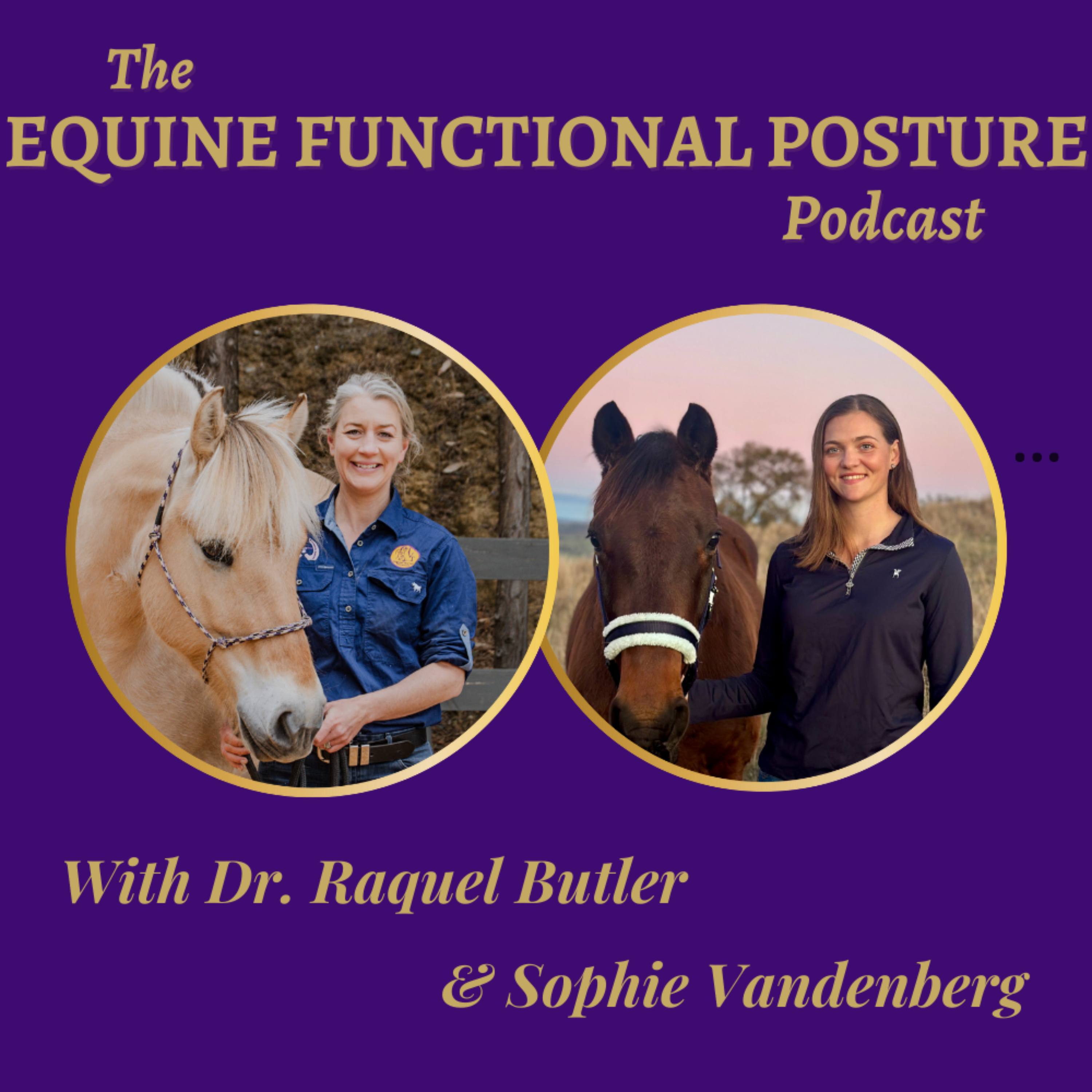
Episode 97: Transitioning horses to barefoot - GUEST Annette Kaitinis
The Equine Functional Posture PodcastShow Notes
Transitioning a horse from metal shoes to barefoot can be incredibly rewarding, but it is rarely as simple as removing the shoes and hoping for the best.
Guest Annette Kaitinis, co-founder of Scoot Boot, joins us to discuss what makes for a successful transition, and how she believes nearly all horses can have a comfortable booted or barefoot lifestyle with enough patience and a well-planned management approach.
Together, they discuss:
Where to begin when considering a barefoot transition
Why the condition of the hoof can influence how long the process takes
The importance of working with a qualified barefoot professional
How nutrition, movement, terrain and trimming cycles affect hoof health
Why some horses require boots or additional cushioning throughout the transition
Common hoof boot fitting mistakes and how fit can change during a trimming cycle
How hoof comfort can influence stride length, posture and tension throughout the body
Whether hoof boots can provide suitable long-term protection
How Scoot Boot’s sizing app and fitting support can help owners select the right boot
This conversation is a practical reminder that successful barefoot management is not about leaving a horse unprotected. It is about providing the trimming, nutrition, movement, environment and protection the individual horse needs to remain comfortable and functional.
To learn more about Dr Raquel Butler visit:
Facebook: Integrated Veterinary Therapeutics Website: https://www.integratedvettherapeutics.com.au
To learn more about Sophie Vandenberg:
Facebook: Equine Posturelate – Sophie Vandenberg
Have any questions or topics you’d love us to cover?
Email us at: [email protected]
More from The Equine Functional Posture Podcast
Understanding Your Horse: The Value of Functional Posture Education
Episode 107 - Pre-Purchase Exams: Are They Worth It?
Episode 105 - Post Colic Surgery Rehabilitation
Sometimes the most powerful change comes from doing less, waiting longer and observing more carefully.