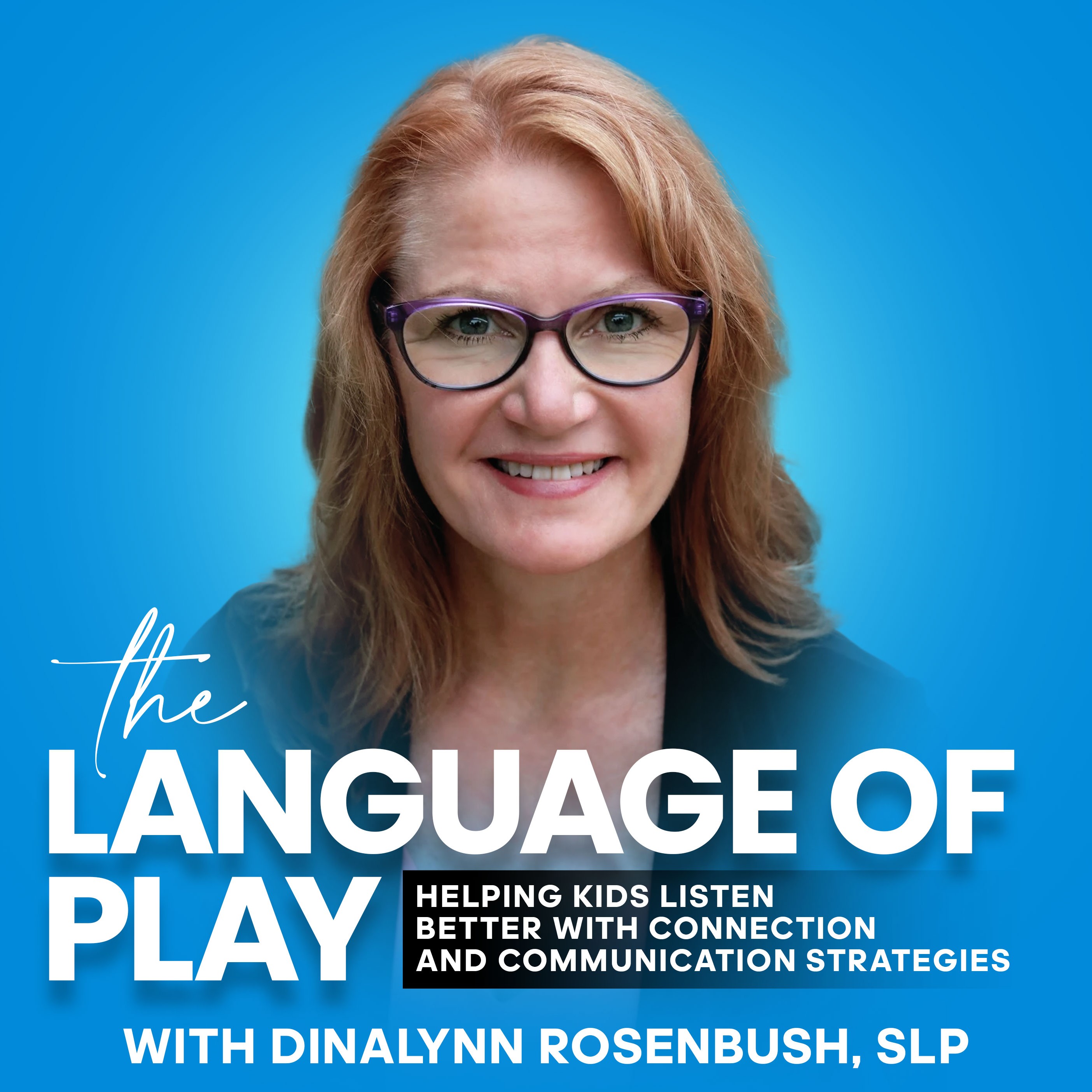
283 Your Child is a Reluctant Writer? Why MORE Ridiculous Ideas Might Help: Night Zookeeper with Josh Davidson
The Language of Play - Kids that Listen, Speech Therapy, Language Development, Early InterventionShow Notes
Hey Friends~ What if your child’s wildest, most ridiculous ideas are actually a doorway into learning? In this episode, I talk with Josh Davidson, co-founder of Night Zookeeper, about using imagination, creativity, and play to help children develop reading and writing skills. We explore how drawing, talking, and writing about their ideas gives children multiple ways to express themselves, expand their language, organize their thoughts, and build confidence. Writing isn’t separate from verbal expression. It can actually help strengthen it. We also look at technology through a different lens: After your child has been on a screen, what did that screen cause them to create? Could they tell you about it, draw it, write about it, or turn it into a conversation with you? The best technology doesn’t just keep children occupied. It gives them something they can’t wait to tell you about, even if that something happens to be a ridiculous farting dinosaur. Always cheering you on! Dinalynn EMAIL: [email protected] A CALL: https://calendly.com/hello-play/strategy-session WEBSITE: https://www.thelanguageofplay.com/ QUESTION or COMMENT? Leave a voice message! https://castfeedback.com/play
ABOUT THE GUEST: Joshua Davidson is the creator and co‑founder of Night Zookeeper, an award-winning online learning program that helps children aged 6–12 fall in love with reading, writing, and creativity through games and storytelling. He’s also the author of the Night Zookeeper Adventure book series, which follows Night Zookeeper Will into the magical Night Zoo filled with fantastical creatures dreamed up by children. Josh is passionate about giving kids the confidence to see themselves as writers and creators, and he speaks regularly about the power of play, stories, and co-created worlds in education. CONTACT THE GUEST: Email: [email protected] Website: https://www.nightzookeeper.com/ Specials Pricing for The Language Of Play listeners: https://www.nightzookeeper.com/parents?ref=yweymwq
A BIG THANK YOU TO OUR SPONSOR! Clever EllyThe a car charger that talks to you and helps you remember. Click here to learn more and claim the special listener bonus! https://cleverelly.com/r?id=246rdm
IF YOU LIKED THIS EPISODE, YOU WILL WANT TO LISTEN TO THESE EPISODES: 190 Bob Hastings: Using Storytelling to Help Kids Listen & Imagine 156 Raising Your Creative Independent Thinker? Sharon Fillmore Helps You With These Wonderful Curious Children! 230 Daniela Feldhausen: Speech Sounds and Reading Are Linked. Fun Ways Parents and Educators Can Help
ove this podcast? Let us know! https://lovethepodcast.com/play Follow & subscribe in 1-click! https://followthepodcast.com/play To SPONSOR The Language Of Play, schedule your call here: https://calendly.com/hello-play/discovery-session To DONATE to The Language Of Play, Use this secure payment link: https://app.autobooks.co/pay/the-language-of-play
More from The Language of Play - Kids that Listen, Speech Therapy, Language Development, Early Intervention
Hey Friends~ You’ve told your child what comes next, but they’re still not moving. Then the tears start, and a simple morning routine becomes a struggle - again. What if your child needs more time and support to do what you’re asking? Today’s guest was once that child, having those big meltdowns. Getting ready for school could become so overwhelming that her parents carried her to the car, and the school director helped her transition into the classroom. Now, she she shares her story to help families understand what may be happening beneath the tears and resistance. She explains how predictable routines, simpler language, and time to process can help children move from overwhelmed to ready for the next step. From slowing down the morning rush to adding a silly wiggle between tasks, Shraddha shares practical ways to make everyday routines feel more manageable and connected. In this episode, you’ll hear:
Hey Friends~ Would you love for your child to learn another language, but wonder how to help when you don’t speak it yourself? You can begin learning together, and everyday moments offer a place to start. In this episode, fellow speech-language pathologist Lindsey joins me to explore how parents can introduce another language through the things their little ones are already doing, noticing, and caring about. Where do you begin? You might think of colors, counting, or the alphabet, but Lindsey shares a different starting point, one that follows your child’s interests and fits naturally into the rhythm of your day. In this conversation, we explore:
Hey Friends~ How many words should your 2-year-old be saying? There are developmental norms - and those numbers matter. But words don’t come out of nowhere. There are foundational communication skills developing underneath spoken language that help those words grow. In this episode, we’ll talk about what’s typical at age two, what actually builds vocabulary, and where to focus when words are slow to come. You’ll leave knowing what to pay attention to and some simple ways to encourage more meaningful language in everyday life. In this episode:
Hey Friends~ Does your child come home from school and suddenly seem like a different kid? They're whining. Fighting with siblings. Ignoring directions. Melting down over something tiny. And you're thinking, “You know how to do this. Why is everything so hard?” What if that behavior isn't just something you need to stop? What if it's giving you information about what your child needs in order to do the next thing? In this episode, we're going beyond “What is my child's behavior communicating?” We're talking about what you do with that information, how you decide what really needs to happen tonight, and how you can actually make tomorrow go better. Because knowing how to do something doesn't always mean your child can access that skill right now. And sometimes, changing what happens next begins with understanding what's happening underneath. Always cheering you on! Dinalynn CONTACT the Host, Dinalynn: [email protected] Have a QUESTION or COMMENT? Leave a voice message! https://castfeedback.com/play Website: https://www.thelanguageofplay.com/ WAITLIST: https://www.thelanguageofplay.com/waitlist
Hey Friends~ Homeschooling is a choice more families are considering, and it opens up some interesting conversations about how children learn best. In this episode of The Language of Play, we explore freedom and flexibility in learning, following a child's curiosity, and paying attention to the individual child rather than assuming one approach works for everyone. My guest, Amanda Schenkenberger, is a homeschooling coach whose own experiences shaped how she chose to educate her children and why she believes so strongly in homeschooling. Whether your children are homeschooled, attend public or private school, or you're wondering what might work best for your family, this conversation gives you plenty to think about. Ultimately, we're asking: Is my child learning, growing, building relationships, and getting the support they need? You don't have to agree with every idea to come away with something valuable for your own family. Always cheering you on! Dinalynn CONTACT the Host, Dinalynn: [email protected] Have a QUESTION or COMMENT? Leave a voice message! https://castfeedback.com/play Website: https://www.thelanguageofplay.com/ WAITLIST: https://www.thelanguageofplay.com/waitlist