Show Notes
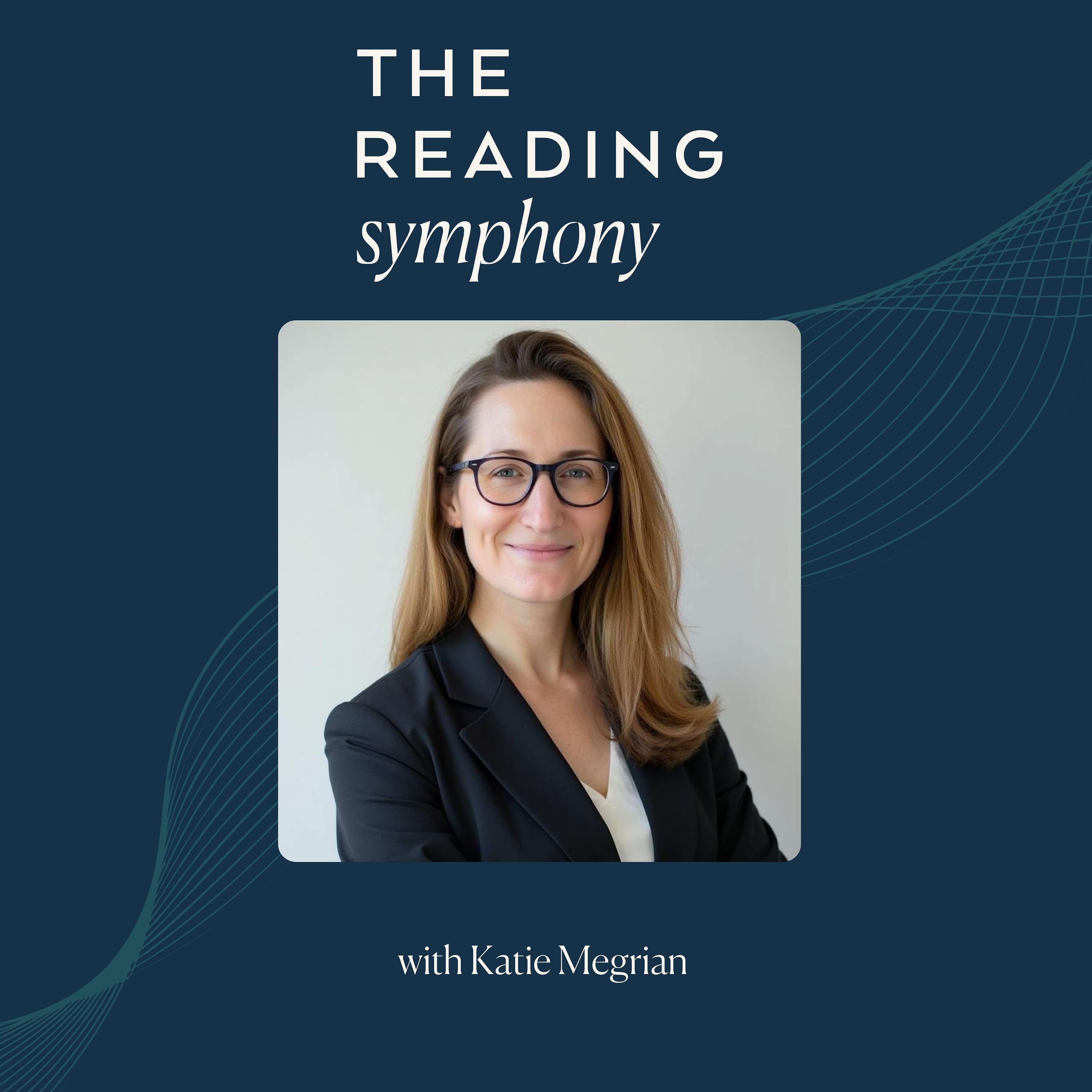
In this episode of the Reading Symphony Podcast, host Katie Megrian engages in a comprehensive conversation with Gaby Diller, founder of Lotus Advocacy. Launched in 2020, Lotus Advocacy aims to support special education departments, families, and students by centering families as essential members of the special education team. Gaby shares insights on her personal journey with learning challenges and her extensive experience as a special education teacher and administrator. She offers practical advice on creating effective IEPs, the importance of specific and strength-based goals, the necessity of multi-tiered systems of support (MTSS), and the benefits and limitations of private evaluations. Gaby also emphasizes the role of collaboration and transparency in advocating for students' needs. This episode provides valuable insights for families, educators, and advocates striving to support children with special needs in their reading and overall educational journey. 00:00 Introduction to the Reading Symphony Podcast 00:27 Meet Gaby Diller: Founder of Lotus Advocacy 01:23 Gaby's Personal Journey and Professional Path 04:21 Understanding and Supporting Students with IEPs 07:53 Navigating Evaluations and School Responsibilities 12:57 Effective IEP Goals and Interventions 18:01 Creative Collaboration and Advocacy Strategies 22:41 Closing Thoughts and Resources
Where to find Gaby? https://www.lotusadvocacy.com/https://www.instagram.com/lotusadvocacy/ https://www.linkedin.com/in/gabriela-diller-8b056230/
More from The Reading Symphony
In this episode of The Reading Symphony Podcast... Katie welcomes Meghan Hein, a second-grade teacher, former reading intervention specialist, and instructional coach with over 20 years of experience in education. Meghan shares how discovering the Science of Reading transformed her approach to literacy instruction, even after years of supporting struggling readers. Together, they discuss why experienced teachers are rethinking reading instruction, how phonics and decoding help children become stronger readers, how parents can recognize potential reading difficulties, and practical ways to support reading fluency at home. They also explore the importance of effective classroom instruction and communication between parents and teachers.
In this episode of The Reading Symphony Podcast... Katie talks with Kim Lockhart, literacy educator and teacher trainer, about why exposure alone isn't enough to teach children how to read - and how evidence-based instruction, oral language development, and structured literacy can help teachers reach struggling readers. Drawing on 25 years of teaching experience, Kim discusses the Science of Reading, structured literacy, the myth of learning styles, and why explicit, evidence-based instruction is essential for struggling readers. They also explore oral language development, French immersion, and practical ways parents and teachers can support children's literacy.
In this episode of The Reading Symphony Podcast... Katie talks with Rudo Kashiri, science educator, children’s book author, and former NASA educator, about how science, storytelling, and hands-on learning can help children develop stronger reading skills, build background knowledge, and become more curious learners.
In this episode of The Reading Symphony Podcast... Katie talks with Dr. Jen O’Sullivan, education researcher and lecturer, about what effective reading instruction looks like beyond phonics - and why strong literacy teaching needs to connect the different skills involved in learning to read.
In this episode of The Reading Symphony Podcast... Katie talks with Dr. Melissa Orkin, educator and developmental psychologist, about dyslexia, structured literacy, reading fluency, and why the emotional side of learning matters. Melissa explains how motivation, confidence, and a child’s willingness to make mistakes can affect reading development. They explore the difference between intrinsic motivation and rewards, how the RAVE-O approach connects different parts of the reading brain, and practical ways parents and teachers can build stronger readers.